
Everyone Is Chasing the Same Trend. That's Exactly Why Your Brand Should Stop.
An opinion on trend culture, oversaturation, and why the brands that win in social media marketing are the ones brave enough to do something different.
“Every brand is chasing the latest social media trend but is it actually helping? Learn why brand strategy beats trend-chasing and how to create content people actually remember.”
Open Instagram Right NOW!
Scroll for 60 seconds.
How many posts looked identical? The same Canva template with a slightly different colour. The same "Here are 5 things I wish I'd known" carousel. The same trending audio slapped over a completely unrelated product. The same quote from a dead philosopher reformatted for the fifteenth time this week.
Welcome to trend culture, where everyone is trying to stand out by doing exactly the same thing.
The problem isn't that trends exist, it's that too many businesses have replaced strategy with imitation.
The cruel irony of following trends to get attention is that trends, by definition, are what everyone else is already.
And yet, every week, brands large and small scramble to ride whatever audio is trending on Reels, whatever format is getting the most reach, whatever "strategy" just went viral in a marketing thread.
The fear of missing out is louder than the question nobody is asking: if every brand is doing this, what's the point?
The Algorithm Isn't the Enemy. Imitation Is.
Here's a common misconception: brands follow trends because the algorithm rewards them. And yes, there's a grain of truth there. Trending formats often get an initial boost in distribution. But here's what the analytics dashboard won't tell you, reach without recognition is worthless.
You might get 50,000 views on a Reel that uses the same format as 200,000 other Reels this week. But will anyone remember it was you? Will they stop mid-scroll six months from now and think, "oh, that brand, I know them"? Almost certainly not.
This matters because brand recognition is the foundation of every buying decision in social media marketing. Recognition creates trust. Trust creates recall. And recall that the ability for a potential customer to think of your brand at the exact moment they need what you offer is what actually drives revenue. Without it, even the most viral content strategy produces nothing lasting.
The algorithm optimises for engagement. It doesn't optimise for brand equity. Those are two very different things, and confusing them is one of the most expensive mistakes a business can make.
And when every brand is chasing the same engagement signals, the inevitable result is a content landscape where everyone looks the same.
How Trend-Chasing Creates an Oversaturation Problem
Trend culture has created a social media content landscape where differentiation is nearly impossible if you're playing by the same rules as everyone else. When a format goes viral, whether it's a particular Reel structure, a style of "day in the life" content, or a specific way of presenting a product, it gets replicated thousands of times within days.
The first brand to do it? Memorable. The two hundredth? Invisible.
This is the oversaturation trap. And the deeper problem is that it's self-reinforcing. Brands see a trend performing well in their content marketing, they copy it, it floods the feed, audiences become desensitised, the trend dies, and then everyone scrambles to find the next one. Rinse and repeat, indefinitely, without ever building a content strategy that lasts.
Brand building isn't about what's trending this week. It's about what you want people to remember in five years.
So what do the brands that actually break through do differently?
Should Brands Ignore Social Media Trends Completely?
Before I answer that, let me be clear about something this isn't an argument against trends themselves.
Trends can be useful. They tell you what formats your audience is currently receptive to, what conversations are happening in your space, and where the platform's algorithm is placing its weight. Ignoring them entirely would be its own kind of mistake.
The difference is in how you use them.
A trend is a vehicle. It's not a destination, and it's certainly not a brand strategy. The businesses that use social media trends well are the ones who know exactly who they are before they open the trending audio tab and then ask whether this particular trend is a genuine fit for their brand, or whether they're reaching for it out of habit or fear.
Trends aren't the enemy. Letting them replace your thinking is.
Why the Best Brands Don't Follow Social Media Trends
Think about the brands that have genuinely cut through in the last decade. Liquid Death, a water brand, built a cult following by treating their product like a heavy metal record label. Oatly rewrote the rules of packaging by putting anti-marketing copy on the side of a carton. Duolingo turned their app mascot into the most unhinged character on TikTok and became impossible to ignore. And Who Gives A Crap, the Australian toilet paper brand, built an entire brand identity around bold colour, irreverent copy, and a social mission, in a category where nobody thought brand personality was even possible.
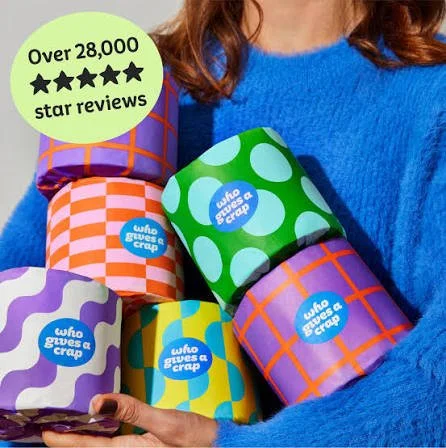

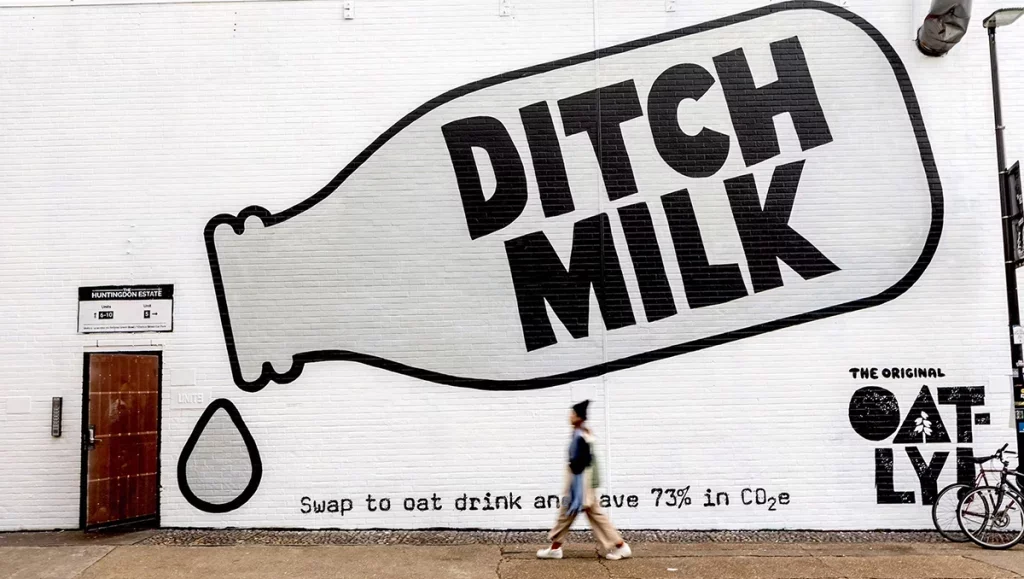
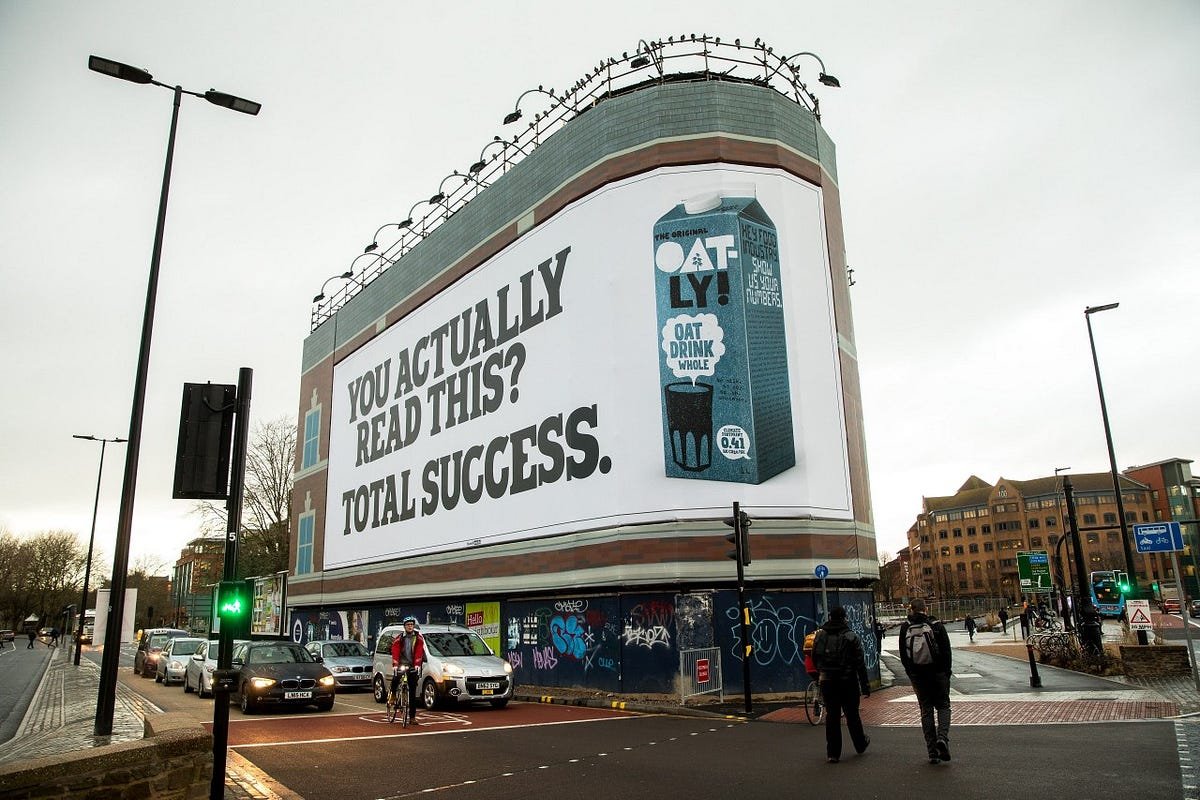
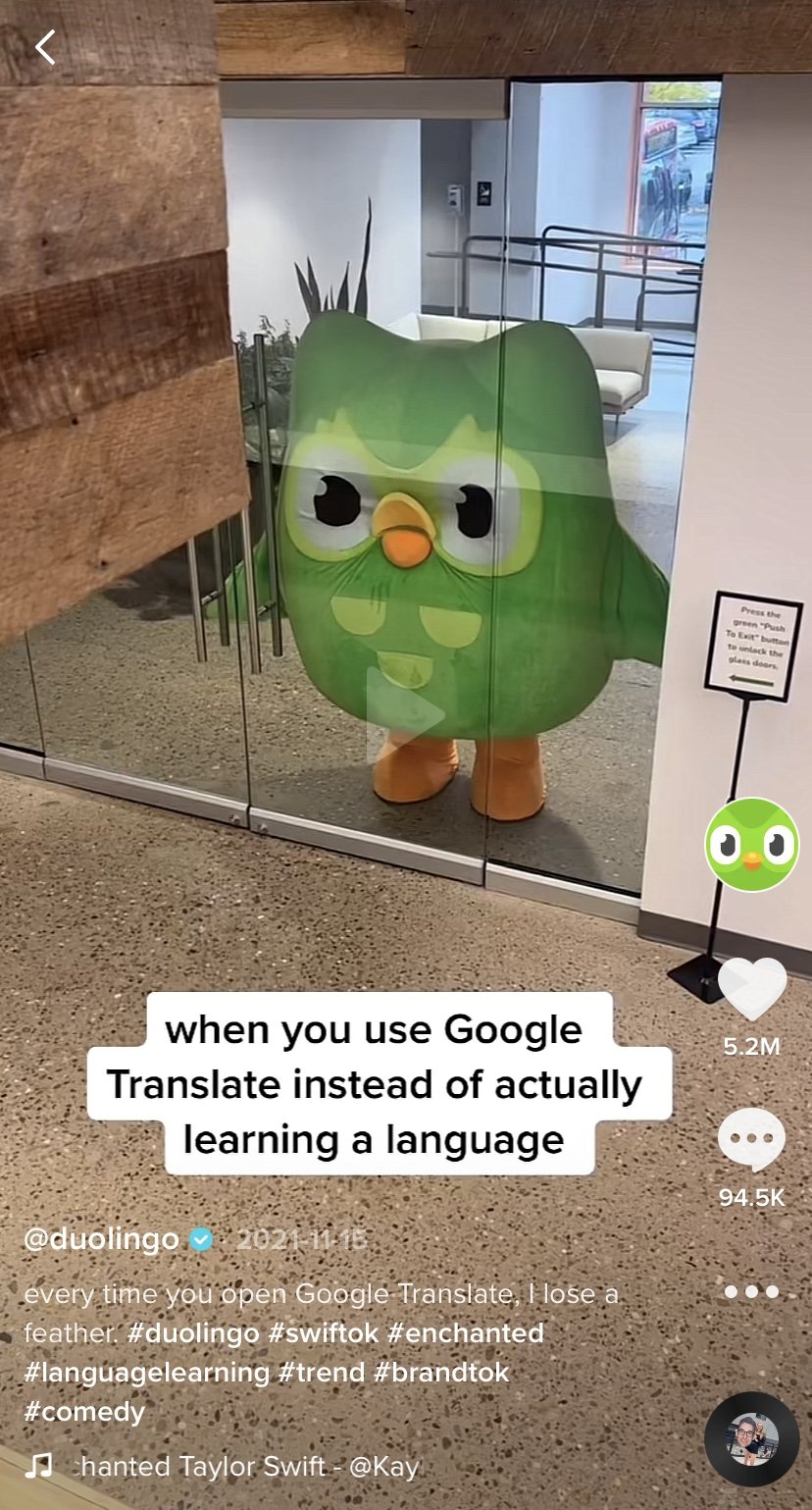
None of these brands were following a trend. They were creating one.
What they had in common wasn't a bigger budget or a better algorithm hack. It was a willingness to be genuinely, sometimes uncomfortably, themselves and the conviction to stick with it even when it felt risky.
The uncomfortable truth for most businesses is this: playing it safe is the riskiest thing you can do. In a saturated social media feed, the 'safe' post is the one nobody sees.
What a Strong Brand Strategy Actually Looks Like
I want to be clear, this isn't a call to be weird for the sake of it. It's a call to be intentional. There's a difference between chasing novelty and building something genuinely distinctive in your social media marketing.
Building a brand presence that actually stands out means:
Start with your brand, not the trend. Ask what you actually stand for before you ask what's performing. A trend is a vehicle if you don't know your destination, you'll just end up wherever everyone else is going. Your brand strategy should always inform your content strategy, not the other way around. If you can't articulate what makes you different in one sentence, no trend will do it for you.
Have a point of view. The most engaging social media content isn't the most polished, it's the most specific. A strong perspective will always outperform a generic one, even if the generic one has better production value. What do you actually believe about your industry? What do you see that others don't? Say it. That specificity is your competitive advantage.
Borrow formats. Never copy ideas. There's nothing wrong with using a carousel, a Reel, or a trending structure. The format isn't the problem, filling it with the same content as everyone else is. Take a proven format and bring something only your brand could say. That's the difference between using a trend as a tool and being used by it. One builds your brand; the other erodes it.
Play the long game. Distinctive brands aren't built in a week. Consistency of voice, visual identity, and point of view over months and years is what creates the kind of brand recognition that no single viral moment can manufacture. Every piece of content you publish is either building your brand or borrowing from it. Treat it that way.
The Question Worth Asking Before Every Post
Before you post your next piece of social media content, before you open the trending audio tab on Reels or scroll through what's performing in your niche this week, ask yourself one question:
"If I removed our logo from this post, would anyone know it was us?"
If the honest answer is no, that's not a content problem. It's a brand strategy problem. And no amount of trend-chasing will fix it.
The good news is that standing out has never been easier, precisely because so few brands are willing to do it. When the entire feed looks the same, being different isn't a risk. It's an advantage.
Perhaps that's the real irony of social media today. We live in an era of unprecedented tools for brand building more platforms, more formats, more ways to reach people than ever before. And yet the feed grows more homogenous by the day, because too many brands have outsourced their thinking to whatever's trending.
The brands winning right now aren't the ones with the best trend radar. They're the ones with the clearest sense of who they are and the confidence to show it, even when it doesn't look like what everyone else is doing.
